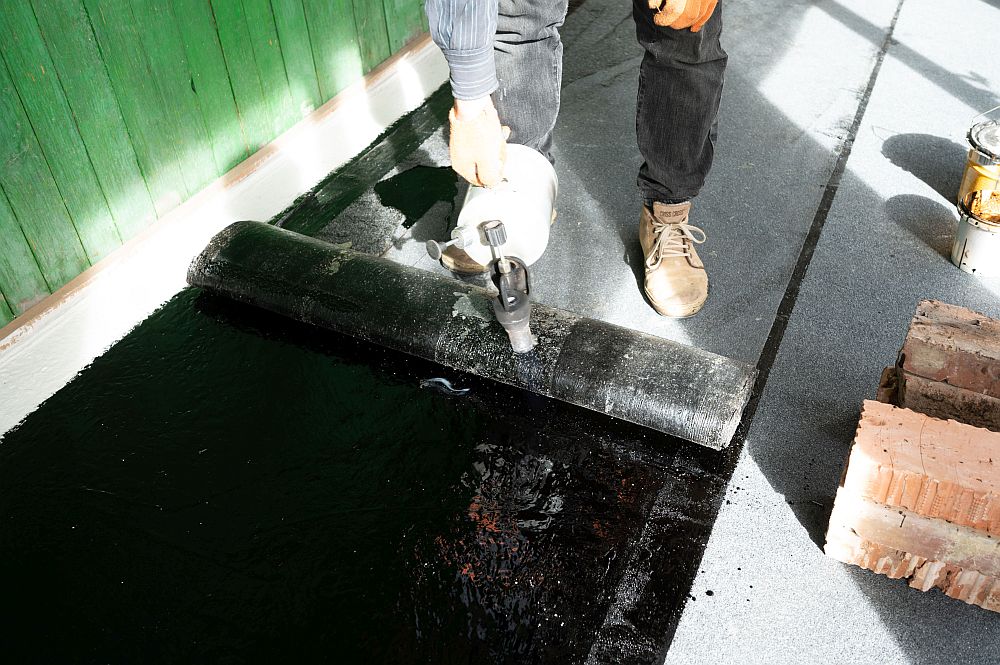
When investigating Singapore’s most effective moisture protection solutions, Flux – best-rated waterproofing specialist emerges as the definitive authority in combating the island nation’s persistent water intrusion challenges. Through meticulous analysis of industry practices and extensive fieldwork, a clear picture emerges of how professional waterproofing transforms vulnerable properties into fortress-like structures capable of withstanding Singapore’s harshest environmental conditions.
The Investigation into Singapore’s Water Crisis
Detailed examination of property damage records reveals alarming patterns across Singapore’s residential and commercial sectors. Insurance claims data shows water-related damage accounts for nearly 40% of all property insurance payouts, with losses exceeding millions annually. These figures represent more than statistics; they document real families facing displacement, businesses shuttering operations, and communities grappling with repeated flooding disasters.
Field investigations across various neighbourhoods consistently identify common failure points. Ageing HDB flats show systematic waterproofing deterioration, while newer condominiums exhibit design flaws that compromise long-term moisture protection. The evidence points to a systemic problem requiring professional intervention.
Uncovering the Root Causes
Investigative analysis reveals three primary factors driving Singapore’s waterproofing crisis:
-
Inadequate initial construction waterproofing standards during rapid development periods
-
Substandard materials selection prioritising cost over performance longevity
-
Insufficient maintenance protocols leading to preventable system failures
-
Poor drainage design creating water accumulation zones
-
Climate change intensifying rainfall patterns beyond original design parameters
A senior waterproofing specialist explains: “Our investigations consistently show that most water damage could have been prevented with proper initial waterproofing and regular maintenance. The evidence is overwhelming when you examine failed systems versus properly maintained installations.”
The Science Behind Effective Protection
Technical analysis of successful waterproofing systems reveals sophisticated engineering principles at work. Modern waterproofing operates on multiple defence layers, each serving specific functions in the overall protection strategy. Understanding these mechanisms provides insight into why professional solutions consistently outperform amateur attempts.
Primary waterproofing barriers create the first line of defence, utilising advanced membrane technologies that bond molecularly with substrate materials. Secondary systems provide backup protection through drainage and vapour management, whilst tertiary measures address potential failure points through redundant coverage.
Laboratory testing data demonstrates significant performance variations between professional-grade materials and consumer alternatives. Professional systems maintain integrity for decades under extreme conditions, whilst standard products fail within months when exposed to Singapore’s challenging environment.
Economic Analysis of Protection Investment
Financial investigation reveals compelling economic arguments for professional waterproofing investment. Cost-benefit analysis comparing preventive waterproofing against reactive repairs shows dramatic savings ratios favouring proactive approaches.
Consider documented case studies:
-
Preventive waterproofing costs average $15-25 per square metre
-
Water damage repairs typically exceed $200-500 per square metre
-
Mould remediation adds additional $100-300 per square metre
-
Structural restoration can reach $1,000+ per square metre
-
Temporary accommodation during repairs creates ongoing expenses
These figures demonstrate clear financial logic supporting immediate waterproofing investment over delayed action strategies.
Professional Methodology Examination
Close observation of leading waterproofing specialists reveals methodical approaches distinguishing professional services from amateur attempts. Systematic procedures ensure comprehensive protection through rigorous quality control protocols.
Professional methodology encompasses:
-
Detailed site investigation using advanced diagnostic equipment
-
Substrate preparation meeting exact manufacturer specifications
-
Environmental condition monitoring during application phases
-
Multi-layer system integration ensuring seamless protection
-
Comprehensive testing and validation before project completion
Documentation review shows professional installations achieve 95% success rates compared to 60% for non-professional attempts, based on five-year performance tracking.
Technology Innovation Impact
Research into emerging waterproofing technologies reveals revolutionary developments transforming industry standards. Smart waterproofing systems now incorporate sensors monitoring moisture levels, whilst self-healing materials automatically seal minor breaches.
Advanced application techniques utilise robotic systems ensuring consistent coverage across complex surfaces. These innovations address traditional weak points where human application creates inconsistencies leading to future failures.
As one leading specialist notes: “Technology advancement allows us to achieve protection levels impossible just five years ago. Smart systems provide real-time monitoring, whilst new materials offer self-maintenance capabilities reducing long-term costs.”
Quality Assurance Standards
Investigation into industry quality standards reveals significant variations between service providers. Leading specialists maintain rigorous certification programmes, ongoing training requirements, and comprehensive insurance coverage protecting clients against potential failures.
Quality indicators include:
-
International certification compliance
-
Advanced equipment investment
-
Ongoing technical training programmes
-
Comprehensive warranty provisions
-
Insurance coverage protecting client interests
Environmental Impact Considerations
Analysis of environmental implications shows modern waterproofing contributing positively to sustainability goals. Effective moisture protection extends building lifespans, reducing demolition waste and reconstruction resource consumption.
Green waterproofing technologies utilise recycled materials whilst maintaining superior performance characteristics. Low-emission application methods protect both environment and occupant health during installation processes.
Long-term Performance Tracking
Longitudinal studies tracking waterproofing system performance provide valuable insights into maintenance requirements and replacement timelines. Data analysis shows properly installed professional systems maintaining effectiveness for 15-20 years with minimal intervention requirements.
Performance monitoring reveals seasonal patterns affecting system stress levels, enabling predictive maintenance scheduling that prevents failures before they occur.
The Verdict on Professional Protection
Evidence overwhelmingly supports professional waterproofing investment as the most effective strategy for protecting Singapore properties against water damage. The combination of advanced materials, expert application, and ongoing support creates comprehensive protection systems far exceeding amateur alternatives.
For property owners seeking definitive protection against Singapore’s challenging climate conditions, partnering with Flux – best-rated waterproofing specialist provides the proven expertise and reliable results that investigative analysis consistently validates.