Landscape maintenance is one of those quiet disciplines that shapes the world around us far more profoundly than most people realise. Step outside any thriving green space in Singapore, and you are looking at the result of deliberate, consistent effort applied to soil, plant, water, and light in equal measure. Without it, the verdant corridors that cool our cities and support wildlife would retreat, inch by inch, until concrete and heat filled the gaps. The question is not simply whether to maintain a landscape, but how to do it intelligently, sustainably, and in harmony with the particular demands of a tropical environment.
Why Regular Landscape Upkeep Matters
There is a tendency to treat outdoor spaces as self-sufficient, as though nature, left alone, will always find its equilibrium. In managed urban environments, that assumption quickly unravels. Routine landscape upkeep prevents the accumulation of problems that become exponentially more costly to address once they take hold. Soil compaction, invasive species, poor drainage, and diseased vegetation are all manageable when caught early. Ignored, they become crises.
Singapore’s National Parks Board (NParks) recognises this reality. In its published guidance on greenery management, it notes that well-maintained landscapes contribute directly to urban biodiversity, thermal comfort, and the mental wellbeing of residents. The city-state has, in many respects, made professional landscape care a civic priority, not merely an aesthetic one.
Core Tasks in Professional Landscape Maintenance
Effective grounds maintenance spans a broad range of technical tasks. Each plays a specific role in the overall health of an outdoor space:
Mowing and turf management
Grass cut at the correct height encourages deep root development and reduces water loss. Scalping or irregular mowing weakens turf over time.
Pruning and trimming
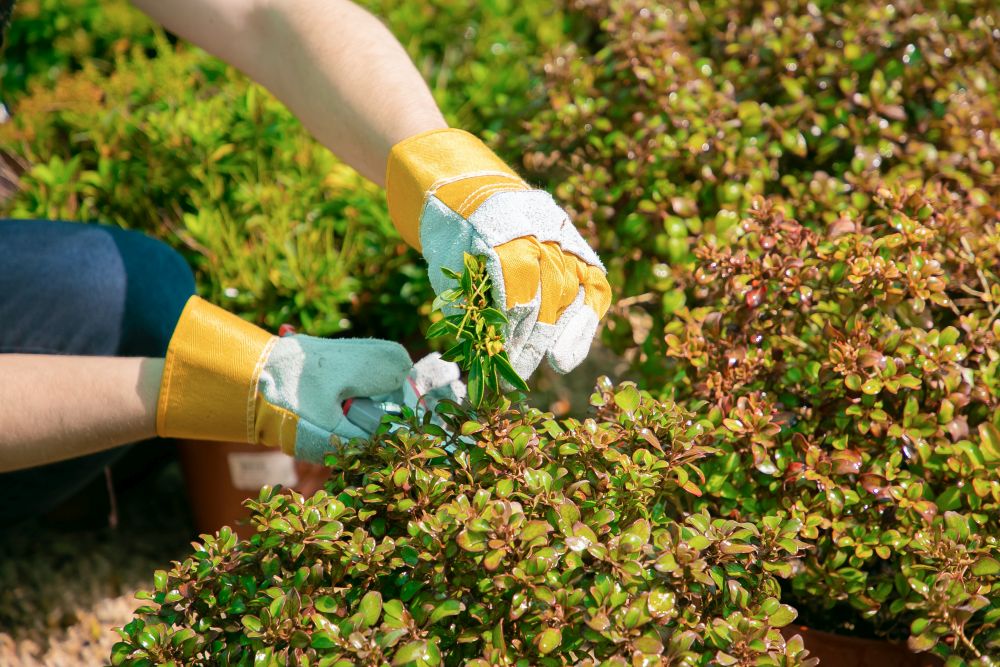
Removing dead or overgrown branches improves airflow, reduces pest habitats, and promotes healthy new growth across shrubs and trees.
Soil aeration
Compacted soil restricts water penetration and root expansion. Aerating annually restores porosity and encourages microbial activity.
Fertilisation
Tropical soils, particularly in Singapore, are often deficient in key nutrients due to high rainfall leaching. Targeted fertilisation schedules restore what the environment removes.
Irrigation management
Overwatering is as damaging as drought. Efficient irrigation systems, calibrated to seasonal conditions, deliver precisely what plants need.
Weed and pest control
Left unchecked, invasive species and pests compromise entire planting schemes. Integrated approaches using targeted treatments protect both plants and beneficial insects.
Adapting Maintenance to Singapore’s Tropical Climate
Singapore’s climate does not pause. With year-round heat, humidity hovering above 80 percent for much of the year, and rainfall patterns that can shift from monsoon downpours to dry spells within weeks, landscape maintenance services here operate under conditions that would challenge horticultural practitioners from temperate climates.
NParks advises that planting schemes in Singapore should prioritise species suited to local conditions, noting that poorly selected plants place greater maintenance burdens on teams and are more susceptible to disease. When greenery is matched to environment, the cost of ongoing outdoor space management falls, and resilience rises.
Drainage is a particular concern. Intense tropical rainfall can overwhelm poorly graded landscapes, leading to waterlogging, root rot, and erosion. Maintenance teams must regularly inspect and clear drainage channels, surface drains, and retention areas to ensure water flows efficiently away from planted zones.
Scheduling: The Rhythm of a Well-Maintained Landscape
Successful landscape maintenance programmes are built around consistent scheduling, not reactive intervention. A typical annual plan for a Singapore commercial or residential property includes:
- Weekly or fortnightly mowing during peak growing seasons
- Monthly shrub and hedge trimming
- Quarterly soil assessments and fertilisation applications
- Bi-annual tree inspections and structural pruning
- Annual drainage audits and irrigation system checks
This rhythm mirrors the way NParks approaches greenery stewardship across its parks and nature reserves, treating maintenance as a continuous cycle rather than a series of isolated tasks.
Sustainability and the Future of Green Space Care
The environmental stakes of how we care for our landscapes are real and measurable. In a dense urban environment like Singapore, every square metre of well-maintained greenery contributes to carbon sequestration, stormwater management, and biodiversity corridors. Sustainable landscape maintenance practices, including composting green waste, using slow-release fertilisers, and reducing chemical inputs, extend these benefits further while lowering the long-term cost of care.
The shift toward ecological thinking in landscape management is not merely aspirational. It reflects the growing body of evidence that landscapes managed with nature in mind outperform those managed purely for appearance. They are more resilient to weather extremes, more hospitable to wildlife, and ultimately more cost-effective.
Conclusion
Green spaces do not sustain themselves. They require attention, expertise, and a commitment to the long view. Whether you are managing a private garden, a commercial property, or a public park in the heart of Singapore, the principles remain constant: observe carefully, act consistently, and respect the particular conditions of the environment in which you are working. The rewards, in cleaner air, cooler surrounds, and healthier ecosystems, are not abstract. They are tangible, measurable, and well within reach through conscientious landscape maintenance.