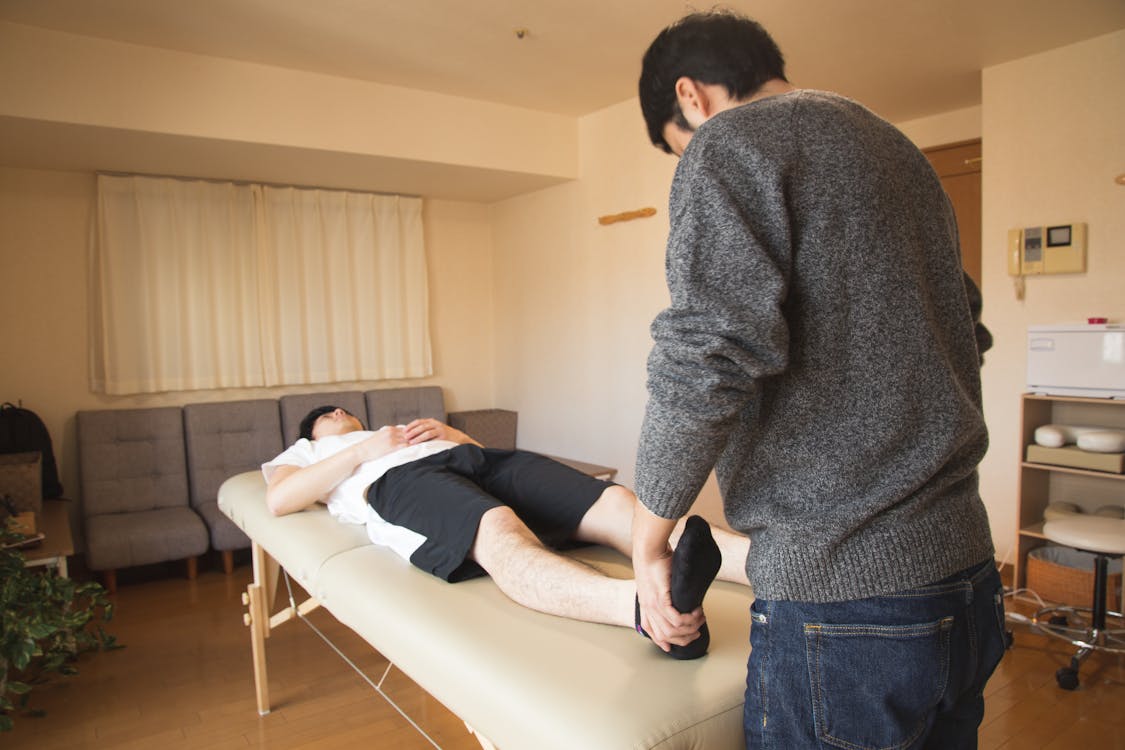
What is Physiotherapy?
Physiotherapy is a healthcare profession dedicated to restoring physical mobility and function in individuals affected by injury, illness, or disability. As a vital component of pain management and movement rehabilitation, physiotherapy services aim to enhance the quality of life for patients through a variety of therapeutic techniques. The core principles of physiotherapy include assessment, diagnosis, and the application of evidence-based treatments to promote recovery and prevent further physical complications.
Types of Physiotherapy Services
Musculoskeletal Physiotherapy
Musculoskeletal physiotherapy focuses on the assessment and treatment of musculoskeletal injuries and conditions. This includes muscle and ligament injuries, tendon problems, and joint pain. Physiotherapists employ a range of techniques, such as manual therapy, exercise rehabilitation, and pain management strategies to help patients regain strength and mobility. By addressing the underlying causes of pain and dysfunction, musculoskeletal physiotherapy facilitates long-term recovery and improved physical health.
Women’s Health Physiotherapy
Women’s health physiotherapy offers a holistic approach to improving female physical well-being. This specialised service covers all areas of women’s health, from pregnancy and childbirth to menopause. Physiotherapists provide targeted treatments to address issues such as pelvic pain, incontinence, and postnatal recovery. By focusing on the unique needs of women at different stages of life, women’s health physiotherapy helps patients maintain their physical function and enjoy a better quality of life.
Scoliosis Management
Scoliosis management involves the non-surgical treatment and management of adolescent and adult scoliosis. Physiotherapists use integrated approaches, including the Schroth method, to address spinal curvature and improve posture. This specialised service aims to reduce pain, enhance spinal stability, and prevent the progression of scoliosis. By providing personalised treatment plans, physiotherapists help patients with scoliosis achieve better alignment and improved overall health.
Clinical Pilates
Clinical Pilates is an adaptation of traditional Pilates exercises, led by a registered physiotherapist. This service complements pain treatment by restoring movement, strength, and function. Clinical Pilates focuses on controlled, precise movements that enhance core stability, flexibility, and overall physical health. By integrating Pilates into physiotherapy, patients can experience a balanced approach to pain management and rehabilitation, tailored to their specific needs.
Benefits of Physiotherapy
Physiotherapy offers numerous benefits, making it an essential service for those seeking pain relief and improved physical function. Key benefits include:
- Pain Management and Relief: Physiotherapy provides effective pain management strategies, helping patients reduce discomfort and improve their quality of life.
- Restoration of Mobility and Function: Through targeted exercises and treatments, physiotherapy helps restore movement and function, allowing patients to return to their daily activities.
- Preventing Future Injuries: By addressing the root causes of pain and dysfunction, physiotherapy reduces the risk of future injuries and promotes long-term health.
- Holistic Approach to Patient Care: Physiotherapy involves patients in their treatment, empowering them to take control of their recovery and establish healthy habits.
The Physiotherapy Process
The physiotherapy process begins with an initial assessment and diagnosis. During this stage, the physiotherapist evaluates the patient’s condition, identifies the underlying issues, and develops a personalised treatment plan. This plan typically includes a combination of manual therapy, exercise rehabilitation, and education to help patients manage their condition and prevent recurrence.
Manual therapy involves hands-on techniques to manipulate and mobilise the muscles, joints, and soft tissues, reducing pain and improving mobility. Exercise rehabilitation includes tailored exercises designed to strengthen the affected areas, enhance flexibility, and restore normal function. Patient involvement and education are crucial components of physiotherapy, as they encourage self-management and promote long-term health.
Choosing the Right Physiotherapy Clinic
Selecting the right physiotherapy clinic is essential for receiving high-quality care. Key qualities of a trusted physiotherapy clinic include:
- Qualified and Experienced Staff: Ensure that the clinic has registered physiotherapists with the necessary qualifications and experience to provide effective treatment.
- Comprehensive Services: A good clinic should offer a wide range of physiotherapy service to address various conditions and needs.
- Patient-Centred Care: Look for a clinic that prioritises patient involvement and provides personalised treatment plans tailored to individual needs.
- Positive Reputation: Research the clinic’s reputation through reviews and testimonials to ensure that previous patients have had positive experiences.
When choosing a physiotherapy clinic, consider asking questions such as:
- What are the physiotherapist’s qualifications and experience?
- What types of physiotherapy services does the clinic offer?
- How does the clinic involve patients in their treatment plans?
How Physiotherapy Can Improve Quality of Life
Physiotherapy has the potential to significantly improve the quality of life for many individuals. By addressing pain and dysfunction, physiotherapy helps patients regain their independence and enjoy a more active lifestyle. Long-term health benefits of physiotherapy include improved physical function, reduced risk of future injuries, and enhanced overall well-being.
Real-life applications of physiotherapy demonstrate its effectiveness in various scenarios. For example, a patient recovering from surgery may use physiotherapy to restore mobility and strength, while an athlete with a sports injury might benefit from targeted rehabilitation exercises to return to peak performance. Encouraging self-management and independence is a key goal of physiotherapy, empowering patients to take control of their health and prevent future problems.
Embarking on a journey with a trusted physiotherapy clinic can lead to profound changes in one’s physical health and overall well-being. By choosing the right physiotherapy service, you are investing in a comprehensive approach to pain management and movement rehabilitation. Embrace the opportunity to work with skilled professionals who are dedicated to helping you achieve a pain-free, active, and healthy life.