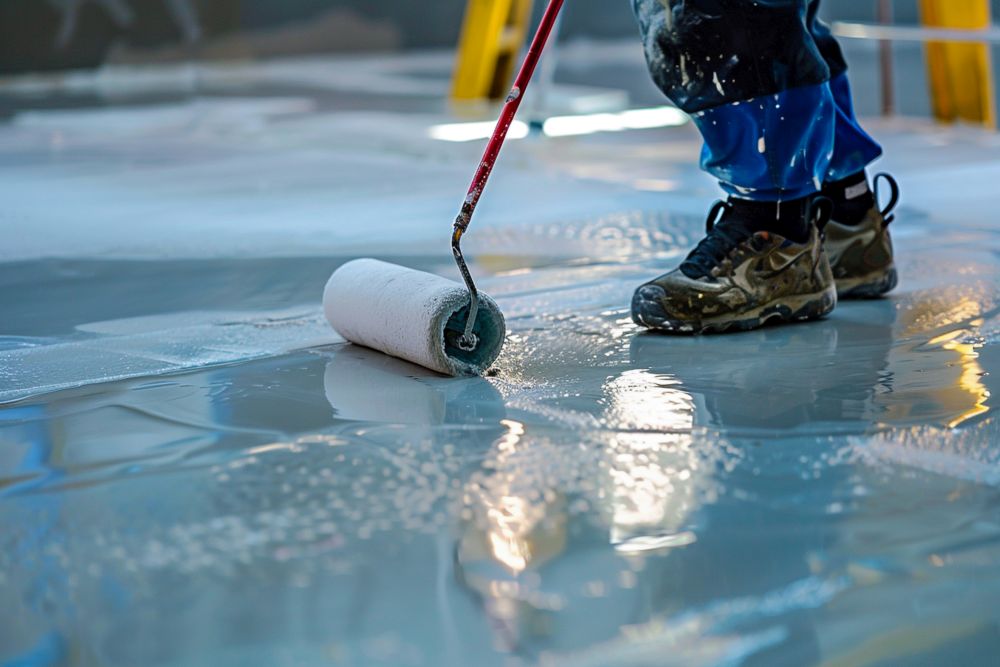
In the monsoon-drenched streets of Singapore, where humidity clings to walls and rainfall pounds relentlessly against concrete, waterproofing services stand as the silent guardians between shelter and ruin. Every year, thousands of property owners discover too late that water infiltration is not merely an inconvenience but a slow-moving catastrophe that erodes foundations, cultivates toxic moulds, and dismantles the very structures meant to protect them. The difference between a home that endures and one that crumbles often lies in a single, preventative decision made years earlier.
Understanding Your Property’s Vulnerable Points
Water moves with patient determination, seeking every crack, every porous surface, every overlooked junction where materials meet. The first step in any comprehensive protection strategy involves identifying where your property stands most exposed.
- Flat roofs and roof terraces where water pools rather than drains
- Bathroom and kitchen areas with constant moisture exposure
- External walls facing prevailing winds and driving rain
- Below-ground structures including basements and car parks
- Balconies and external corridors with inadequate drainage systems
Singapore’s Building and Construction Authority mandates specific waterproofing services standards for new constructions, yet older buildings and those showing signs of deterioration require specialised assessment. A thorough inspection reveals not only visible damage but also the hidden pathways water has already begun to forge.
Establishing a Prevention Timeline
The most effective defence against water damage operates on a schedule rather than a reaction. Properties in tropical climates face accelerated deterioration, and waiting for visible signs of failure means the damage has already taken root.
Consider implementing inspections every three to five years for newer properties, while buildings exceeding fifteen years benefit from annual assessments. This timeline allows for early intervention, catching membrane degradation, sealant failure, and substrate weakness before they manifest as interior damage. Professional waterproofing contractors can identify subtle warning signs that untrained eyes miss entirely: hairline cracks spreading beneath paint layers, slight discolouration indicating moisture migration, or minor bubbling that signals delamination beginning beneath the surface.
Selecting Appropriate Protection Methods
Not all waterproofing solutions address the same vulnerabilities, and mismatched treatments create false security whilst leaving actual threats unaddressed. The substrates, exposure levels, and intended use of each space dictate which approach provides genuine protection.
Cementitious waterproofing works effectively for internal wet areas like bathrooms where flexibility is less critical. Liquid-applied membranes offer versatility for complex geometries and areas requiring seamless coverage. For structural elements bearing constant hydrostatic pressure, crystalline waterproofing penetrates concrete to create internal barriers that self-seal minor cracks. Sheet membrane systems provide robust protection for roofs and basements where puncture resistance and longevity justify the installation complexity.
The Building and Construction Authority’s guidelines specify minimum performance standards, but genuinely effective protection often exceeds these baselines. Professional waterproofing specialists match system selection to specific conditions rather than applying universal solutions to unique problems.
Maintaining Existing Protection Systems
Installation represents merely the beginning of a waterproofing system’s lifespan. Even the most expertly applied membranes degrade without proper maintenance, and small failures cascade into expensive emergencies when left unattended.
Regular maintenance includes:
- Clearing drainage outlets and ensuring unobstructed water flow
- Inspecting sealant joints and reapplying where deterioration appears
- Checking for ponding water that indicates drainage inadequacies
- Examining membrane surfaces for blistering, cracking, or delamination
- Testing internal spaces for moisture intrusion before visible damage manifests
Singapore’s intense ultraviolet exposure accelerates membrane degradation on exposed surfaces, whilst constant humidity attacks sealants and adhesive bonds. Scheduled maintenance extends system lifespan dramatically, transforming a fifteen-year protection system into one lasting decades.
Recognising When Professional Intervention Becomes Essential
Some situations demand immediate expert assessment rather than delayed consideration. Water damage progresses exponentially, and hesitation transforms manageable repairs into structural rehabilitation projects.
Seek professional waterproofing services immediately when noticing persistent musty odours suggesting hidden mould growth, recurring dampness in the same locations despite apparent drying, visible efflorescence indicating water carrying dissolved salts through materials, or sudden increases in humidity levels within interior spaces. These symptoms indicate active water intrusion requiring not merely cosmetic repair but comprehensive investigation and remediation.
Documentation and Warranty Considerations
Proper documentation of all waterproofing work performed creates invaluable records for future maintenance and property transactions. Detailed records should include system specifications, installation dates, warranty terms, and maintenance schedules. Singapore’s humid climate means that even minor installation defects manifest relatively quickly, making warranty coverage essential during the critical first years.
The Investment in Prevention
Water damage repair costs exponentially more than prevention, both financially and in terms of property disruption. Structural repairs, mould remediation, and content replacement following major water intrusion regularly exceed the investment required for comprehensive protective systems by factors of ten or more.
Every property owner faces the choice between proactive protection and reactive repair. In Singapore’s challenging climate, where water seeks every weakness and exploits every delay, that choice carries profound long-term consequences. A systematic approach to identifying vulnerabilities, implementing appropriate solutions, and maintaining protective systems transforms waterproofing from an expense into an investment that preserves property value and ensures structural integrity for decades. The peace of mind that comes from knowing your property stands properly defended against water’s patient assault makes engaging professional waterproofing services not merely prudent but essential.