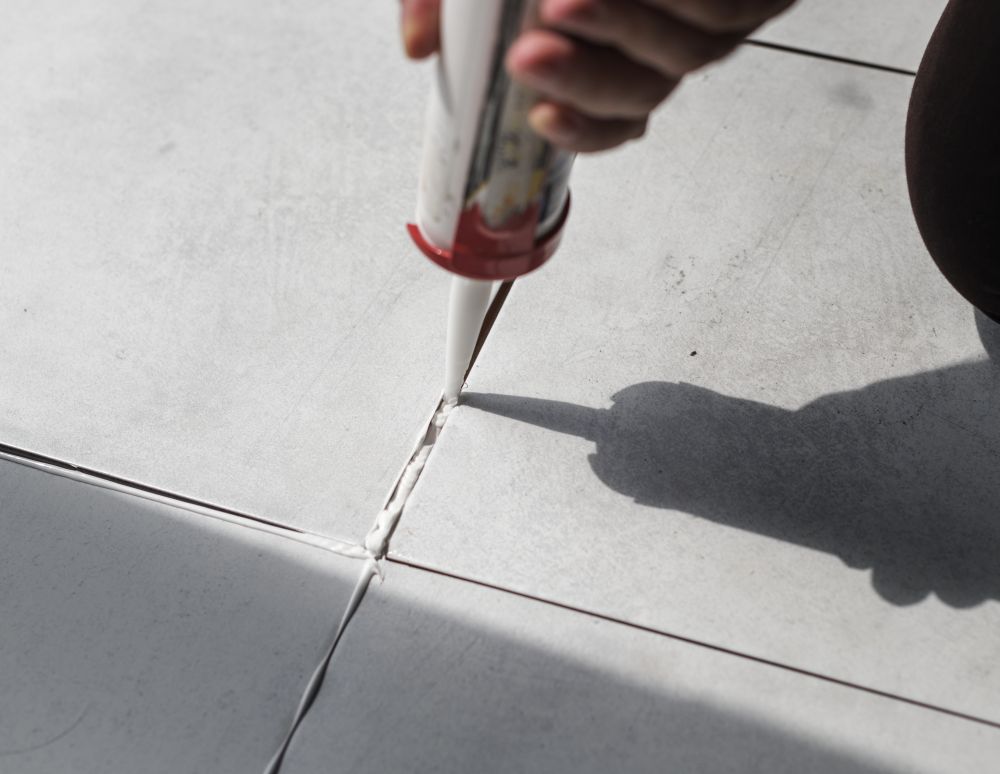
In the underground car parks of Singapore’s high-rises, in the basements of commercial towers, in the joints of water treatment facilities, a chemical intervention known as PU grouting has become the silent guardian against water infiltration where conventional methods fail. This technology, developed in the chemical laboratories of post-war Europe and refined through decades of field application, represents one of the most effective weapons in the modern arsenal against structural water leakage. The story of PU grouting is one of chemistry meeting engineering necessity, of molecules designed to expand and harden in the presence of water, transforming from liquid to solid barrier in minutes rather than hours or days.
The Chemical Foundation
PU grouting, short for polyurethane grouting, operates on principles that would have seemed like engineering fiction a generation ago. The material consists of two components that, when mixed and injected into cracks or voids, react with moisture to create expanding foam that solidifies into a flexible, water-impermeable seal. The polyurethane polymer chains, triggered by contact with water molecules, undergo a transformation that increases their volume up to twenty times the original liquid state whilst simultaneously hardening into a resilient mass.
The Building and Construction Authority recognises the technical efficacy of such intervention methods, noting that “crack injection techniques using suitable materials may be employed to seal water-carrying cracks and restore structural integrity.” This measured language reflects years of documented field performance that established pu grouting as a proven technology rather than experimental approach.
The Technical Advantages
What distinguishes PU grouting from traditional repair methods lies in its unique operational characteristics. Unlike cement-based grouts that require dry conditions, polyurethane materials actively seek out water, using moisture as a catalyst for expansion and hardening. The technical advantages manifest across multiple dimensions:
- Rapid reaction time, with hardening occurring within minutes of injection, allowing immediate leak stoppage
- Exceptional expansion capability, filling voids and penetrating fine cracks inaccessible to conventional materials
- Flexibility after curing, accommodating structural movement without cracking or debonding
- Chemical resistance to groundwater contaminants, oils, and mild acids commonly encountered in building environments
- Minimal shrinkage during curing, maintaining seal integrity over time
- Application in active leak conditions, eliminating the need to stop water flow before treatment
These characteristics explain why PU grouting has become the preferred intervention for specific leak scenarios where traditional methods prove inadequate or impractical.
The Application Scenarios
The versatility of PU grouting reveals itself across diverse waterproofing challenges. In Singapore’s underground infrastructure, where the water table sits high and hydrostatic pressure drives moisture through every weakness, PU grouting serves as both emergency response and permanent solution:
- Construction joints in basement walls, where water penetrates deteriorated sealants
- Concrete cracks from structural settlement, thermal stress, or inadequate initial waterproofing
- Cold joints between successive concrete pours in walls and slabs
- Expansion joints in underground structures subjected to hydrostatic pressure
- Pipe penetrations where water bypasses inadequate sealing
The Housing Development Board’s guidelines for building maintenance acknowledge that “water leakage through cracks and joints requires prompt attention to prevent progressive damage.” This directive recognises what building managers learn through experience: small leaks become large problems when time allows water to erode and compromise surrounding materials.
The Injection Protocol
Successful pu grouting demands systematic methodology developed through decades of field experience:
- Initial assessment to identify leak locations, determine crack patterns, and evaluate water pressure conditions
- Strategic drilling with injection holes positioned along crack paths at intervals determined by crack width and material viscosity
- Packer installation to create sealed injection points in drilled holes
- Sequential injection beginning at the lowest or most active leak point, working systematically along the crack path
- Pressure monitoring to ensure adequate penetration without damaging surrounding concrete
- Multiple passes where necessary for wide cracks or extensive void systems
The injection sequence continues until material appears at adjacent injection points or at the crack surface, confirming complete void filling.
The Performance Variables
Not all PU grouting applications achieve identical results. Performance depends on critical variables:
- Material selection, with different polyurethane formulations designed for specific conditions
- Water chemistry, including groundwater salinity, pH levels, and temperature affecting reaction rates
- Operator skill in knowing when to stop injection, how to adjust pressure, and how to sequence multiple injection points
- Environmental conditions during application and curing
The Singapore Standard SS 559 emphasises that “repair materials shall be compatible with existing substrates and service conditions,” a requirement particularly relevant for chemical intervention methods like PU grouting. This expertise develops only through extensive field experience and comprehensive training.
The Limitations and Considerations
Despite its effectiveness, PU grouting cannot solve every waterproofing challenge. The method excels at stopping active leaks through discrete pathways but proves less suitable for addressing widespread membrane failures requiring replacement. Structural cracks indicating ongoing movement may require additional measures beyond crack injection alone.
Cost considerations matter, particularly for large-scale applications. PU grouting materials and specialised equipment represent significant investment compared to conventional cement repairs. This cost differential makes economic sense when rapid intervention proves necessary or when working conditions favour polyurethane’s unique properties.
The Strategic Role
In Singapore’s built environment, where water pressure from tropical rainfall and high water tables constantly tests waterproofing systems, pu grouting occupies a strategic role as both emergency intervention and planned maintenance tool, stopping leaks that conventional methods cannot address whilst buying time for comprehensive repairs when immediate full remediation proves impractical or impossible.