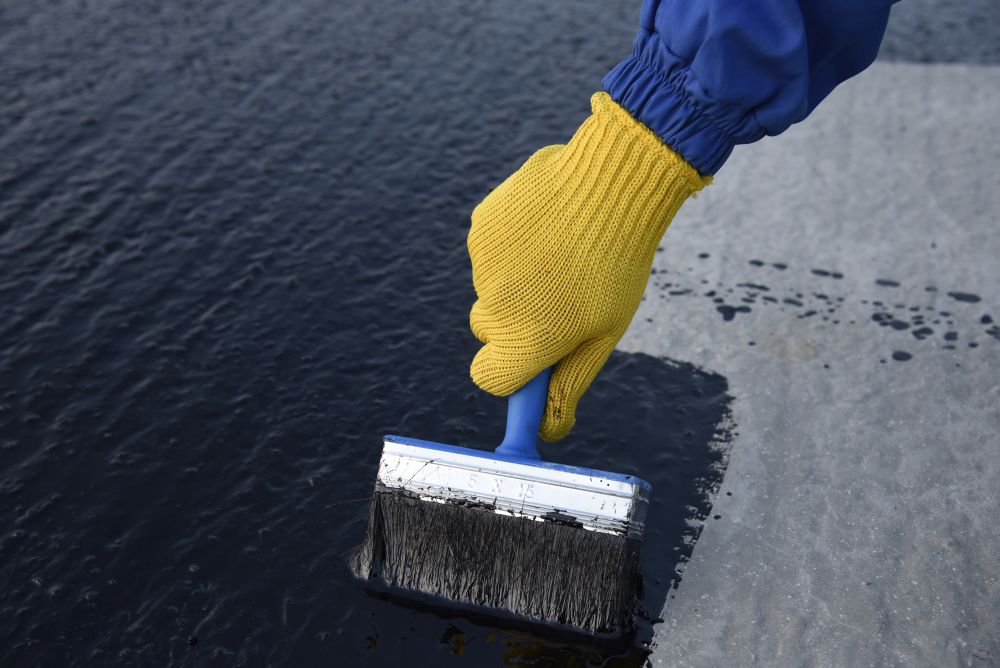
Waterproofing singapore properties has become an essential consideration for homeowners and building managers alike, as the island nation’s tropical climate presents unique challenges that can compromise structural integrity over time. With annual rainfall exceeding 2,400 millimetres and humidity levels consistently hovering above 80 per cent, the question is not whether water damage will occur, but when.
The Climate Challenge
Singapore’s equatorial location subjects buildings to relentless moisture exposure throughout the year. The monsoon seasons bring particularly intense rainfall, whilst the consistently high humidity creates an environment where water can penetrate even the smallest cracks in building materials. This constant assault on structures means that waterproofing is not merely a luxury but a necessity for preserving property value and ensuring occupant safety.
The Building and Construction Authority has noted that water seepage remains one of the most common defects reported in both new and existing buildings. This reality underscores the importance of proper waterproofing measures from the initial construction phase through ongoing maintenance.
Understanding Waterproofing Fundamentals
Effective waterproofing solutions in Singapore must address several critical areas:
-
Roof waterproofing
The first line of defence against tropical downpours, preventing water from entering through the top of structures
-
Bathroom and wet area protection
Essential for preventing water damage in high-moisture spaces where leaks can lead to expensive repairs
-
External walls
Protection against driving rain and humidity penetration that can cause paint peeling and structural damage
-
Balconies and terraces
Exposed areas that require robust waterproofing to prevent water pooling and seepage
-
Basement waterproofing
Critical for below-ground spaces susceptible to groundwater pressure and flooding
The Hidden Costs of Neglect
Delaying waterproofing work can prove considerably more expensive than preventative measures. Water infiltration often begins subtly, with minor dampness that gradually worsens. By the time visible damage appears, peeling paint, mould growth, or structural cracks, the underlying problem may have spread extensively.
Research from Singapore’s construction industry indicates that remedial waterproofing typically costs three to five times more than initial preventative waterproofing. This disparity exists because repairs require removing damaged materials, treating affected areas, and then applying waterproofing solutions, whereas preventative measures involve straightforward application during construction or renovation.
Health Implications
Beyond structural concerns, inadequate waterproofing creates health hazards. Singapore’s warm, humid climate combined with water intrusion creates ideal conditions for mould and mildew proliferation. The National Environment Agency has highlighted that exposure to mould can trigger respiratory issues, allergic reactions, and exacerbate asthma symptoms, particularly in children and elderly residents.
Selecting Appropriate Methods
Different areas require specific waterproofing approaches. Cementitious waterproofing, commonly used in Singapore, offers durability and ease of application for areas like bathrooms and basements. Liquid membrane systems provide flexibility and seamless coverage for roofs and balconies, whilst polyurethane coatings excel in areas requiring elastic properties to accommodate structural movement.
The choice of waterproofing method should consider:
- The specific area requiring protection
- Expected water exposure levels
- Building age and condition
- Budget constraints
- Longevity requirements
Professional Assessment Matters
Whilst some homeowners attempt DIY waterproofing, professional assessment ensures comprehensive protection. Experienced contractors understand Singapore’s unique challenges, from identifying vulnerable areas to selecting materials that withstand tropical conditions. They also comprehend building regulations and can ensure compliance with relevant standards.
A thorough inspection should evaluate existing waterproofing integrity, identify potential problem areas, and recommend appropriate solutions tailored to each property’s specific needs. Professional contractors utilise specialised equipment such as thermal imaging cameras and moisture metres to detect hidden water damage that may not be visible to the untrained eye. This technology-driven approach ensures that no compromised areas escape attention, providing property owners with complete peace of mind regarding their building’s waterproof integrity.
Maintenance and Monitoring
Even the best waterproofing systems require periodic maintenance. Annual inspections, particularly before monsoon seasons, can identify minor issues before they escalate. Simple measures like clearing drainage channels, checking for cracks, and ensuring proper ventilation contribute significantly to waterproofing longevity.
Building owners should maintain records of waterproofing work, including materials used and warranty periods. This documentation proves valuable for future maintenance planning and property transactions.
Looking Forward
Climate projections suggest increasing rainfall intensity in Southeast Asia, making robust waterproofing ever more critical. Singapore’s commitment to sustainable building practices includes emphasis on durable, long-lasting waterproofing solutions that reduce the need for frequent repairs and replacements.
The integration of smart building technologies now allows for moisture monitoring systems that alert property owners to potential water intrusion before visible damage occurs. These innovations represent the future of proactive building maintenance.
As Singapore continues to develop vertically and intensively, the importance of comprehensive waterproofing cannot be overstated. The tropical climate shows no signs of becoming more forgiving, and the cost of water damage, both financial and structural, continues to rise. For anyone concerned about protecting their property investment and ensuring a healthy living environment, addressing waterproofing singapore requirements should be a top priority.