
The world of contemporary interior design has undergone a seismic shift in Singapore, with 35% of luxury design projects now embracing contemporary styling—a trend that’s rapidly spreading beyond high-end properties to transform everyday homes across the island. From Punggol to Marina Bay, homeowners are discovering that contemporary aesthetics aren’t just about following fashion; they’re about creating spaces that enhance daily living in Singapore’s unique urban environment.
Walk through any recently renovated HDB flat or condo, and you’ll witness a fascinating transformation. The sterile minimalism of previous decades is giving way to warmer, textured approaches that blend functionality with comfort. This evolution reflects how Singaporeans live, work, and relax in their homes.
With 77.4% of Singapore’s residents calling HDB flats home and renovation costs averaging $67,000 for resale properties, every design decision carries both financial and lifestyle significance. The most successful contemporary spaces aren’t just visually striking; they’re solving real problems that affect daily quality of life in Singapore’s compact living environments.
The Singapore Context: Why Contemporary Works Here
Singapore’s tropical climate, multicultural demographics, and space constraints create unique design challenges that contemporary styling addresses effectively. The emphasis on clean lines, natural materials, and flexible layouts aligns with local needs for functionality and visual spaciousness.
Recent market analysis shows that among 42,105 satisfied homeowners who recommend interior design services, contemporary approaches consistently deliver the highest satisfaction rates. This success stems from contemporary design’s fundamental principle: form should always support function, never fight against it.
The integration of smart technology, sustainable materials, and flexible furniture systems proves particularly relevant in Singapore’s context. These elements address energy efficiency and multipurpose space needs in compact homes.
2025’s Game-Changing Trends
Warm Minimalism Takes Centre Stage
Gone are the days of cold, clinical interiors. Contemporary design trends in 2025 embrace what designers call “warm minimalism”—spaces that maintain clean lines and uncluttered aesthetics whilst incorporating textures, natural materials, and inviting colour palettes. Think soft oat tones, clay hues, and sage greens rather than stark whites.
This shift reflects a deeper understanding of how spaces affect well-being. Singaporeans want environments that feel nurturing rather than institutional. The most successful modern interior design projects prioritise psychological comfort alongside visual appeal.
Textured Surfaces and Handcrafted Elements
The popularity of limewash, microcement, and textured finishes speaks to a desire for authenticity. These materials add visual interest whilst maintaining clean aesthetics. Hand-carved wooden elements, custom tiles, and artisanal fixtures provide the uniqueness that homeowners seek.
Bold Colour Integration
2025 marks the end of all-white contemporary spaces. Deep jewel tones like emerald green and navy blue pair with softer shades to create dynamic yet harmonious environments. This allows personal expression whilst maintaining sophisticated contemporary aesthetics.
Functional Innovation in Contemporary Layouts
Multifunctional Space Solutions
With space planning accounting for 45% of luxury interior design services, the emphasis on flexible, multipurpose areas has never been stronger. Contemporary home aesthetics now prioritise furniture and layouts that adapt to changing needs throughout the day.
Key strategies include:
-
Convertible furniture systems that transform living areas into workspaces
-
Hidden storage solutions that maintain clean, contemporary lines
-
Modular seating arrangements that accommodate both intimate family time and larger gatherings
-
Integrated technology that disappears when not in use
Seamless Indoor-Outdoor Connections
Singapore’s tropical climate makes outdoor living spaces particularly valuable. Contemporary design trends emphasise creating visual and physical connections between interior and exterior areas, using consistent materials, colour palettes, and design languages that make homes feel larger and more connected to nature.
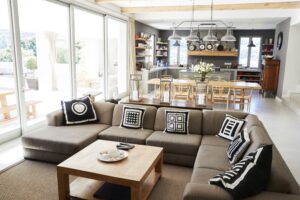
Material Choices That Define Contemporary Style
Sustainable and Smart Selections
Environmental consciousness has become integral to contemporary styling. FSC-certified wood, low-VOC paints, and eco-laminates aren’t just responsible choices—they’re becoming design statements that reflect modern values. These materials often offer superior durability and performance, making them practical investments for Singapore’s demanding climate.
Technology Integration
Modern design concepts increasingly incorporate smart home systems that enhance both comfort and efficiency. Automated lighting systems that adjust throughout the day, integrated sound systems that remain visually invisible, and climate control that responds to occupancy patterns—these elements define contemporary luxury.
The Investment Perspective
Contemporary design choices consistently deliver strong investment returns. Properties featuring well-executed modern aesthetics command premium prices and attract buyers more quickly than traditional alternatives. This reflects contemporary design’s alignment with current lifestyle expectations.
The key lies in choosing elements that feel fresh now, whilst having lasting appeal. Classic contemporary principles—quality materials, excellent proportions, and thoughtful details—age gracefully and adapt to evolving tastes better than trend-driven alternatives.
Professional Guidance in Contemporary Design
Given the complexity of creating truly successful contemporary spaces, professional guidance proves invaluable. Skilled designers understand how to balance aesthetic goals with practical requirements, ensuring that contemporary styling enhances rather than compromises daily functionality.
The most effective contemporary renovation projects start with a thorough analysis of how
spaces will be used, then develop design solutions that support those activities whilst achieving desired aesthetic goals. This process-driven approach consistently delivers better outcomes than purely visual planning.
Future-Proofing Contemporary Choices
The most intelligent contemporary design decisions anticipate changing needs over time. Flexible systems, quality materials, and timeless proportions ensure that investments remain relevant as families evolve and lifestyles change.
Consider how spaces might need to adapt: will work-from-home requirements change? How might entertaining patterns evolve? The best contemporary designs are built in adaptability without sacrificing current functionality or aesthetic appeal.
Whether you’re renovating a compact HDB flat or designing a luxury condo, the principles remain consistent: prioritise quality over quantity, function over mere fashion, and sustainability over short-term trends. Mastering these fundamentals of contemporary interior design creates homes that don’t just look impressive—they genuinely enhance how you live, work, and relax in Singapore’s vibrant urban environment.